
Achievements
From Supporting Solutions to Coaching on the Global Stage: My WRO Singapore 2025 Experience
Oheneba Kwaku Tawiah
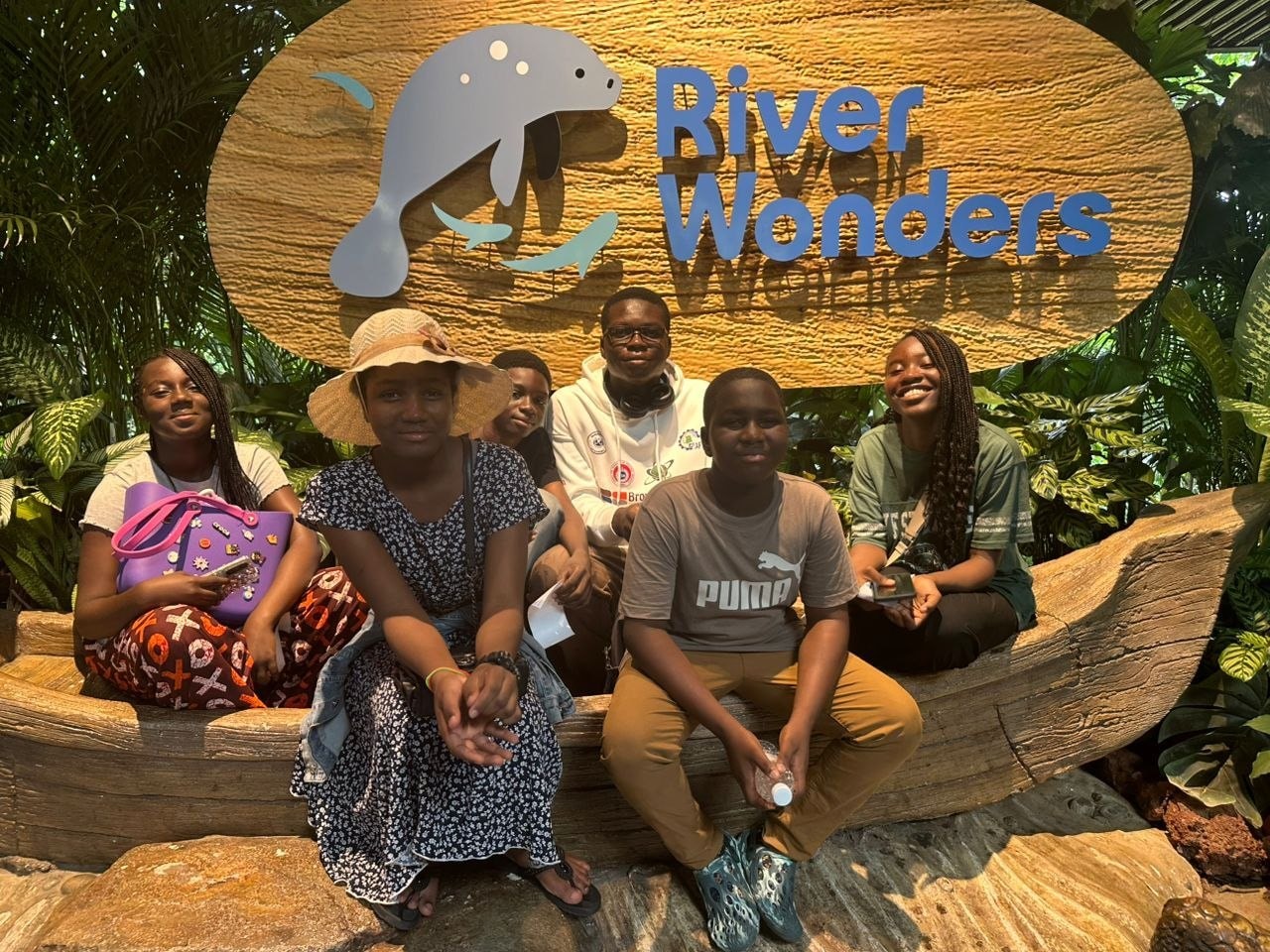
My journey with Mikrobot Academy during the World Robot Olympiad (WRO) Singapore 2025 was both unique and deeply rewarding.
While I was not initially part of the local training team, I had the opportunity to contribute by assisting in developing a competitive solution that supported the teams during the qualification stage. After the teams successfully qualified for the international competition, I stepped into a more active role as a trainer and coach for two teams: a Robomission Junior team and an Elementary team. This transition marked a significant turning point for me, as I moved from a supporting role into directly mentoring students preparing for a global stage.
Coaching the teams required a focused and strategic approach. We refined their robot designs, optimized their programming, and practiced competition scenarios extensively. Emphasis was placed on precision, efficiency, and adaptability, key factors for success in Robomission challenges. Beyond the technical aspects, I worked closely with the students to build their confidence, teamwork, and problem-solving mindset under pressure.
One of the most fulfilling parts of this experience was witnessing the students’ growth. They evolved into more independent thinkers, capable of analyzing challenges and improving their solutions iteratively. Their ability to adapt and perform in a highly competitive international environment was a testament to their hard work and dedication.
Participating in WRO Singapore 2025 exposed us to a global community of young innovators, offering inspiration and new perspectives on what is possible in robotics and STEM education.
This experience reinforced my belief in the power of mentorship and hands-on learning. Being able to contribute, from supporting early solutions to coaching on the international stage, has been an incredible milestone in my journey with Mikrobot Academy, and it continues to motivate me to invest in developing the next generation of innovators.
Keep reading
Team Apex from Mikrobot Academy Crowned 2026 Robofest Junior World Champions
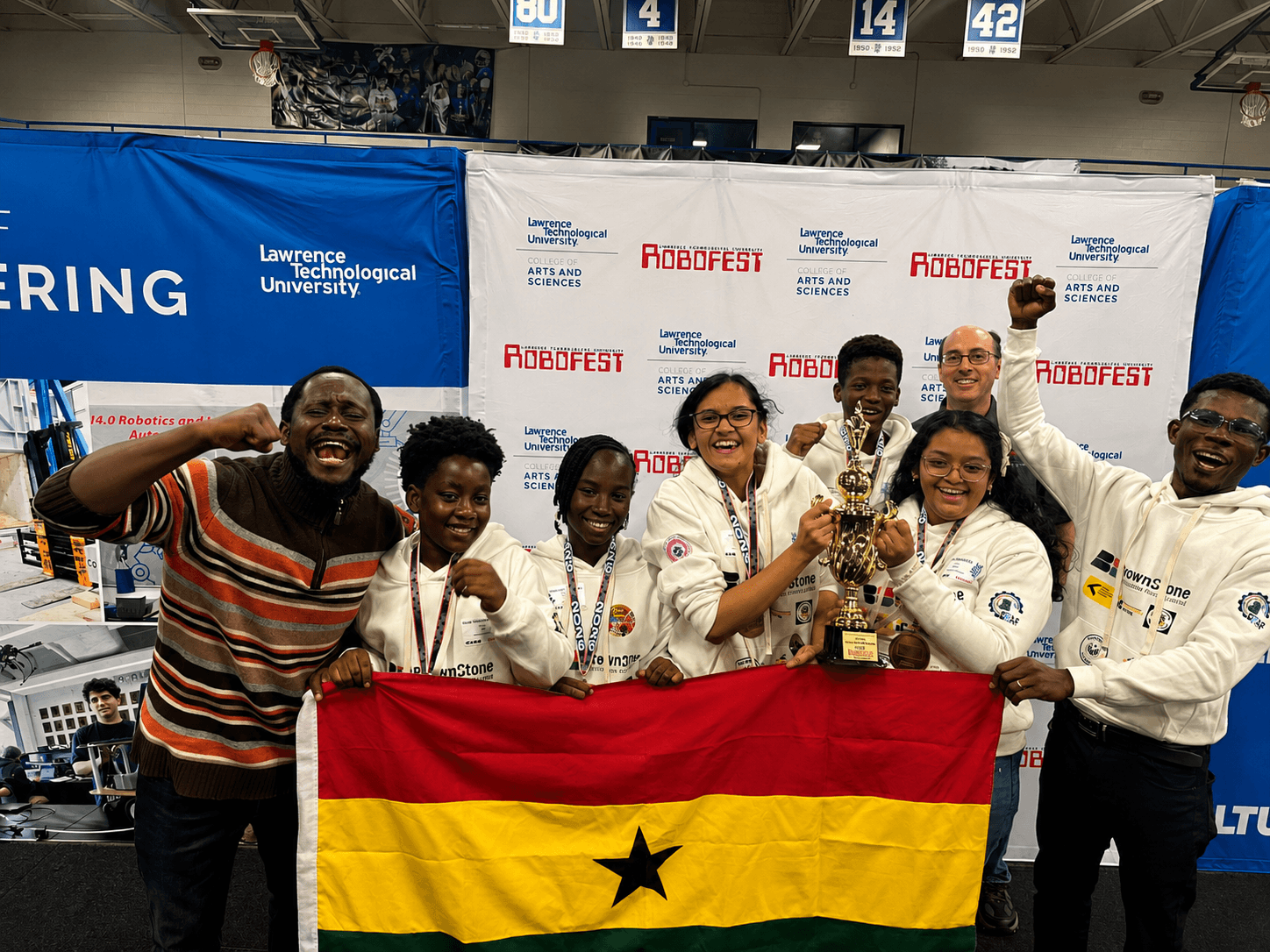
Out of 26 teams from 19 countries, Team Apex from Mikrobot Academy, Ghana has emerged as Champions at the just-ended 2026 Robofest World Championships held in Michigan, USA, outperforming competitors from China, Taiwan, Canada, Mexico, the USA, Hong Kong, Greece, Macau, South Korea and several other countries.
Dr. Michael Wilson · 29 May 2026
The Next Generation of Problem Solvers: Engineering the Future at Mikrobot Academy
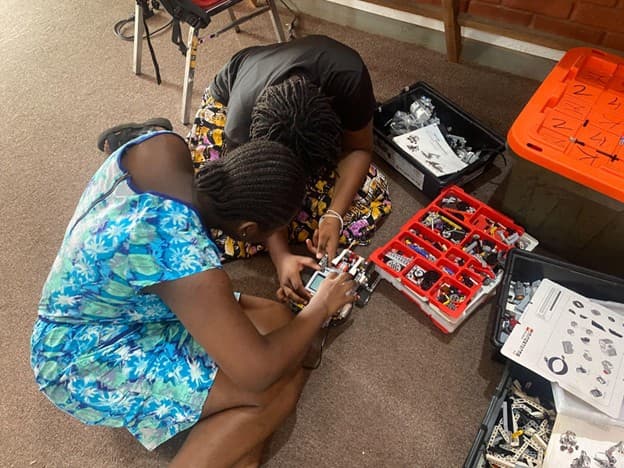
At Mikrobot Academy, we aren’t just building robots; we are cultivating the minds that will solve the challenges of tomorrow. Through prestigious platforms like the ROBOFEST Exhibition and the World Robot Olympiad (WRO) Future Innovators categories, our students are stepping into the role of global change-makers.
Asabea Asare-Mintah · 31 Mar 2026
AI and the Developing Child: Finding the Right Balance in Ghana
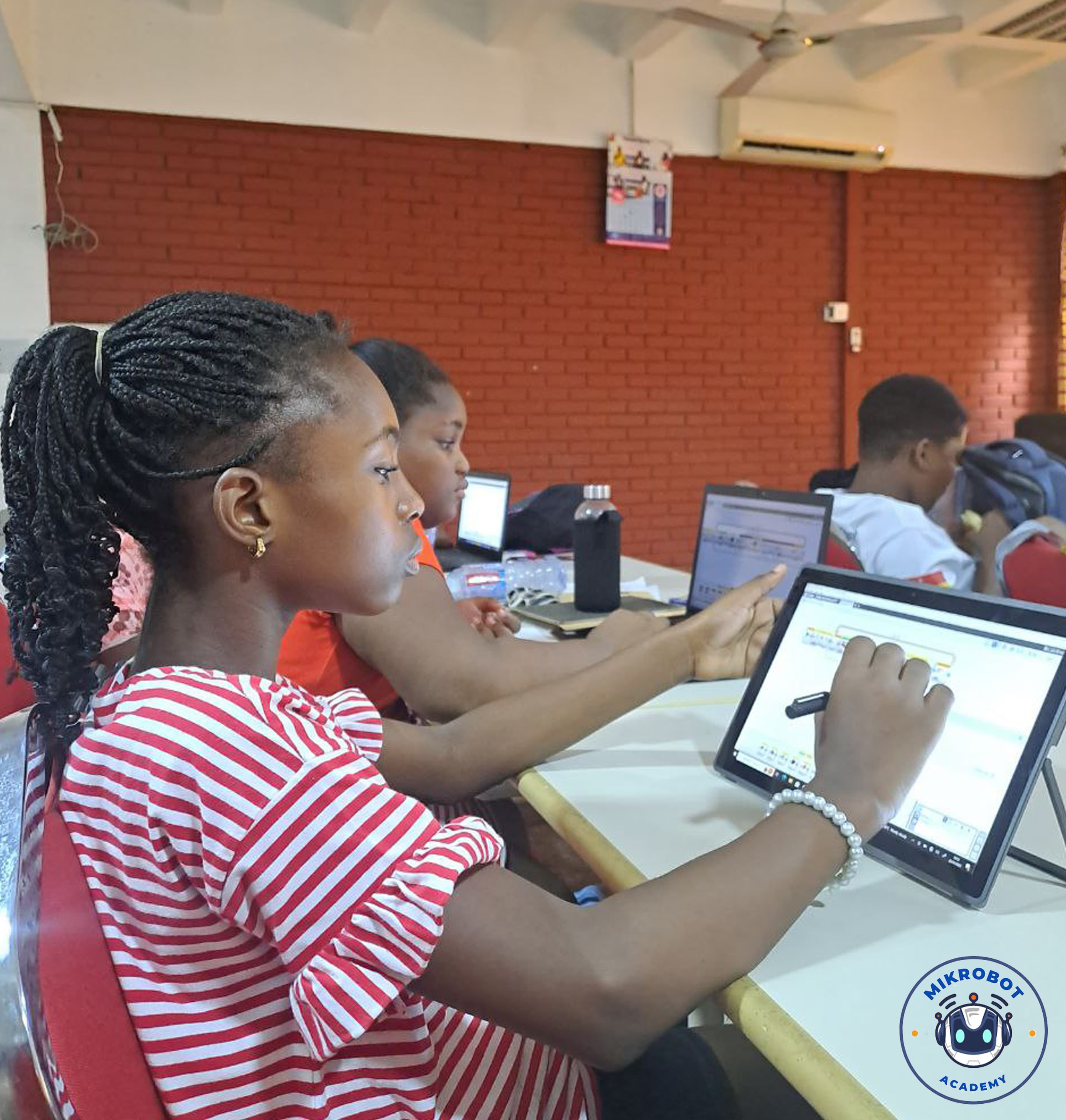
As AI tools become more common in Ghanaian classrooms and homes, a key question emerges: how do we let technology support young learners without letting it replace the experiences that matter most? This piece explores where AI can genuinely help children learn, and why struggle, play, and human connection remain irreplaceable parts of early childhood education. The goal isn't to reject technology, but to keep it in its proper place, one tool among many, so it enhances childhood learning rather than replacing childhood itself.
John Paapa Awotwi · 9 Sep 2026